A Safety Checklist for First-Time Homebuyers

Buying your first home is exciting, empowering, and sometimes overwhelming. Your thoughts are likely on financing and curb appeal, but you also need to focus on safety. A beautiful home loses value quickly if hidden hazards create repair costs or health concerns.
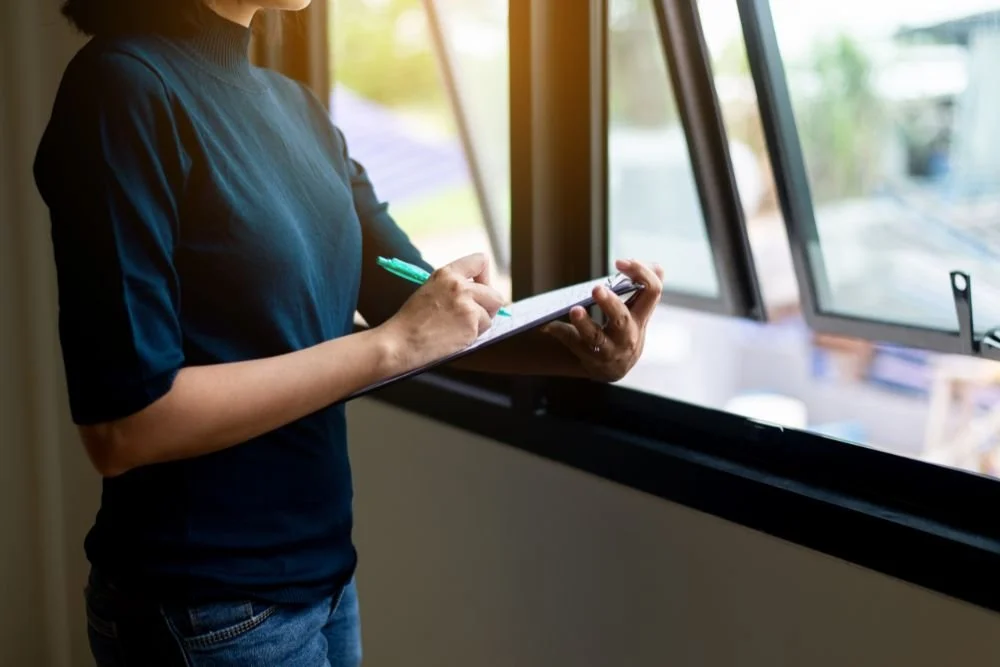
Careful inspection and informed questions give you leverage during negotiations and peace of mind after closing. This safety checklist for first-time homebuyers will help you protect your investment and your future equity from day one.
Check the Home’s Structural Integrity
Start with the foundation, roof, and framing. Look for cracks in the foundation, uneven floors, sticking doors, or signs of water intrusion. Structural issues often result in costly repairs and can affect resale value.
Inspect the roof’s age and condition. Missing shingles, sagging lines, or soft spots suggest deferred maintenance. A solid structure protects safety and long-term appreciation, so ask for documentation of past repairs.
Review Electrical and Plumbing Systems
Electrical panels should meet current standards and support modern usage. Outdated wiring, overloaded circuits, or improper modifications increase fire risk. Confirm that licensed professionals handled any upgrades.
Plumbing also deserves close attention. Check for corrosion, leaks under sinks, low water pressure, and signs of past water damage. Even small plumbing problems can escalate into mold growth or structural deterioration if ignored.
Test for Environmental Hazards
Older homes may contain materials that pose health risks. Lead-based paint, radon, and asbestos still appear in properties built decades ago. During inspections, ask about areas where asbestos commonly hides, such as in insulation, flooring, and textured ceilings. If concerns arise, order proper testing. A professional evaluation will provide clarity and prevent accidental exposure during future remodeling.
Evaluate Safety Features and Maintenance
Safety features require your full attention during a walkthrough. Confirm that smoke detectors, carbon monoxide detectors, and fire extinguishers work properly. Loose handrails and poor lighting can increase injury risk and liability, so check stair railings, deck stability, and exterior lighting.
Next, examine HVAC systems for proper servicing, and request maintenance records to confirm routine care. Well-maintained systems operate efficiently, lower utility costs, and improve indoor air quality.
Research the Neighborhood
Safety extends beyond the property line. Review local crime statistics, flood zone maps, and zoning regulations. Visit the area at different times of day to observe traffic patterns and noise levels. A stable neighborhood supports property value growth and strengthens your equity position.
Financial preparation matters, but so does physical safety. Use this safety checklist for first-time homebuyers to buy a home that ensures long-term stability. Careful inspections, thoughtful questions, and professional evaluations will protect your investment and create a strong foundation for future homeownership success.