How Public Parks and Playgrounds Improve Your Home’s Value
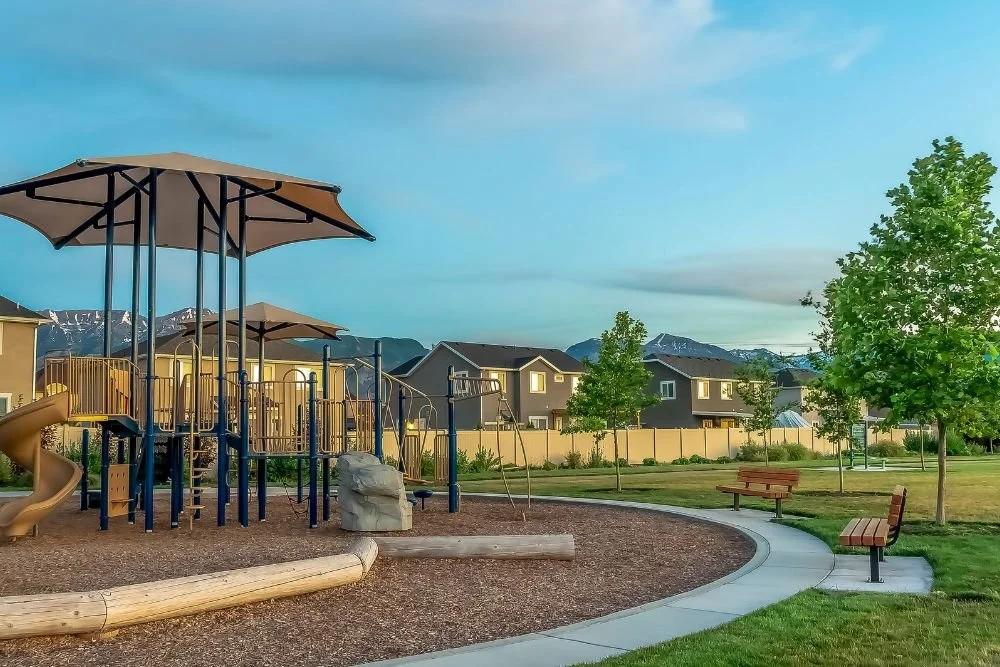
When you think about what drives up property values, you might picture renovated kitchens or updated landscaping. However, you’ll be surprised to learn how public parks and playgrounds can improve your home’s value.
Proximity to green spaces and well-maintained recreational areas can significantly impact a home’s value. Once you understand that connection, you can make smarter decisions when buying a home or growing your equity over time.
The Link Between Green Spaces and Property Value
Homes near parks typically sell for higher prices than those farther from green spaces. Research from the University of Washington reveals that over 30 studies have found that people willingly pay more for a home located close to an urban park or open space than for a comparable home without that access.
Buyers who prioritize walkable neighborhoods often look for nearby parks. When a home sits within walking distance of a well-maintained park or playground, it tends to attract more interest and command a stronger asking price in both buyer and seller markets.
How Playgrounds Boost Neighborhood Appeal
Playgrounds do more than give children a place to play. They create gathering spots that strengthen community bonds and encourage neighbors to interact regularly. A well-designed playground tells prospective buyers that the neighborhood values families and invests in quality amenities.
When parents research school districts and community features before purchasing a home, they look for playgrounds that are clean and well-equipped with age-appropriate swing sets and robust safety features. A family-friendly park directly influences how buyers perceive and evaluate a neighborhood’s overall desirability.
Parks and the Connection to Home Equity
Home equity grows as your property value rises over time. Homes near parks tend to appreciate faster than those without nearby green spaces. For homeowners focused on building equity, a location near recreational amenities is a reliable asset. Buyers and appraisers both factor in access to parks when assessing what a home is genuinely worth in the current market.
What to Look for When Buying Near a Park
Not all parks contribute the same value to nearby properties. Buyers should research the park’s condition and observe how actively the community uses it. A well-funded park with modern equipment increases buyer confidence, while a neglected or underused space may have little effect on a home’s value.
Before you make an offer on a home near a park, visit the area at different times of day. By watching how residents interact with the space, you can gauge whether it will positively affect your investment over time.
Understanding the relationship between green spaces and property value gives you a real advantage in the real estate market. How public parks and playgrounds improve your home’s value comes down to community investment and sustained buyer demand.
Whether you currently own a home near a park or plan to purchase one, that proximity carries financial weight. Keep this knowledge in mind as you navigate your next real estate decision, and you’ll position yourself to make choices that support both your lifestyle and your financial future.